




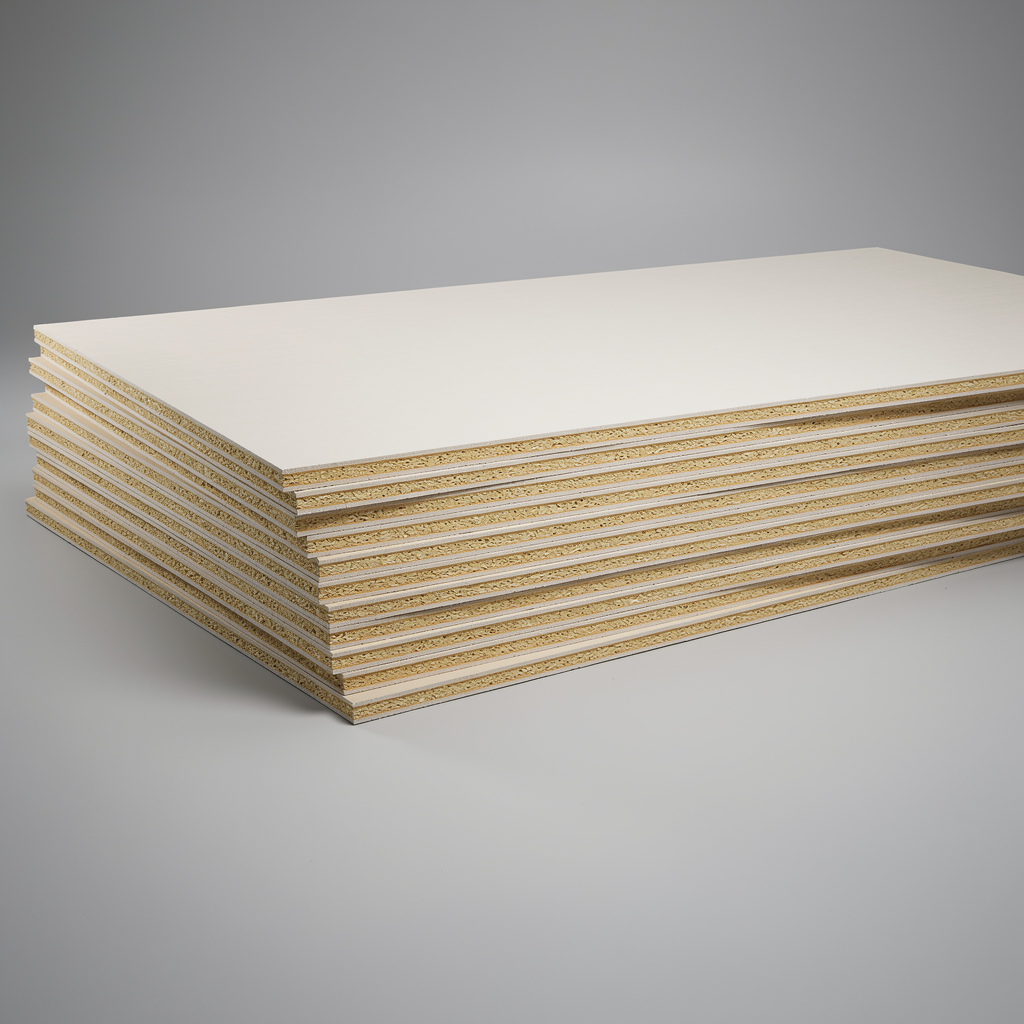



Rendering is not just about creating a finished appearance on a wall. The materials selected can influence how the surface performs, how well the finish holds up over time and how smoothly the project progresses.
For builders and trades, choosing the right rendering supplies involves more than picking a product from a list. Factors such as the substrate, project requirements, environmental conditions and application method all need to be considered before work begins.
A well-planned approach can help create a more consistent finish and reduce avoidable issues during construction.
One of the first things to consider is the surface the render will be applied to. Different materials can react differently, and the preparation needed will depend on the condition and type of substrate.
Before selecting materials, builders should consider:
A product that works well in one situation may not be the best choice for another. Matching the system to the surface is an important part of achieving reliable results.
Not every rendering project has the same requirements. A residential renovation, commercial development and new construction project may each have different expectations around appearance, durability and application.
Some projects may prioritise a smooth decorative finish, while others may require materials suited to larger surfaces, external exposure or specific building systems.
Understanding the project’s purpose helps guide better decisions when selecting render products for builders.
The final render layer often receives the most attention, but preparation products can have a major effect on the overall result.
Primers, base coats and preparation materials help create a suitable surface before the finishing layers are applied. Skipping or overlooking this stage can affect adhesion, consistency and the appearance of the completed work.
A quality finish usually starts with the steps taken before the render is applied.
The practical side of installation should also influence product selection. Builders and trades need materials that suit the workflow, tools and conditions of the project.
Factors such as drying time, application method, coverage and handling can affect how efficiently the work progresses.
For larger projects, choosing materials that are consistent and reliable can help trades maintain quality across multiple areas of the build.
External walls are exposed to changing conditions throughout the year. Heat, rain, wind and temperature changes can all affect building surfaces over time.
When selecting external rendering materials, it is important to consider how the finished surface will perform in its environment.
A suitable rendering system should be selected with the location, building design and expected exposure in mind.
Cost is always an important factor in construction, but the lowest-priced option is not always the most practical choice.
A product that does not suit the application may lead to additional labour, delays or repairs later. Builders often need to consider the overall value of the material, including ease of use, consistency and suitability for the project.
The right choice is usually the one that balances performance, reliability and project requirements.
Rendering is usually a system rather than a single product. The preparation layer, base coat and finishing materials all need to work together.
Using compatible products can help achieve more consistent results. Mixing unsuitable materials or failing to meet system requirements may affect the surface’s final appearance or performance.
This is why understanding how different rendering materials interact is important before starting a project.
For builders, material availability can be just as important as product selection. Delays caused by unavailable supplies can affect trades, timelines and overall project progress.
Planning orders early, especially for larger builds, can help ensure materials are available when needed.
A reliable supplier can also help builders manage repeat requirements across multiple projects.
The supplier you choose can have a big impact on how easily a project comes together. Builders need reliable access to materials, consistent product quality and helpful advice when selecting the right options for different jobs.
QA Building Supplies supports builders, contractors and trade professionals with a range of building materials, including rendering supplies for residential and commercial projects.
For those comparing rendering supplies, understanding the project requirements first can make it easier to choose products that suit the job.
Choosing rendering materials is an important step in creating durable and visually consistent finishes. The best results usually come from understanding the surface, selecting suitable products and planning the application process properly.
For builders and contractors, the right materials can help create smoother workflows and better outcomes across different construction projects.
June 15, 2026
$16.04 – $27.27Price range: $16.04 through $27.27 inc. GST
$104.94 inc. GST
$10.48 – $87.63Price range: $10.48 through $87.63 inc. GST
$3.10 – $5.21Price range: $3.10 through $5.21 inc. GST