
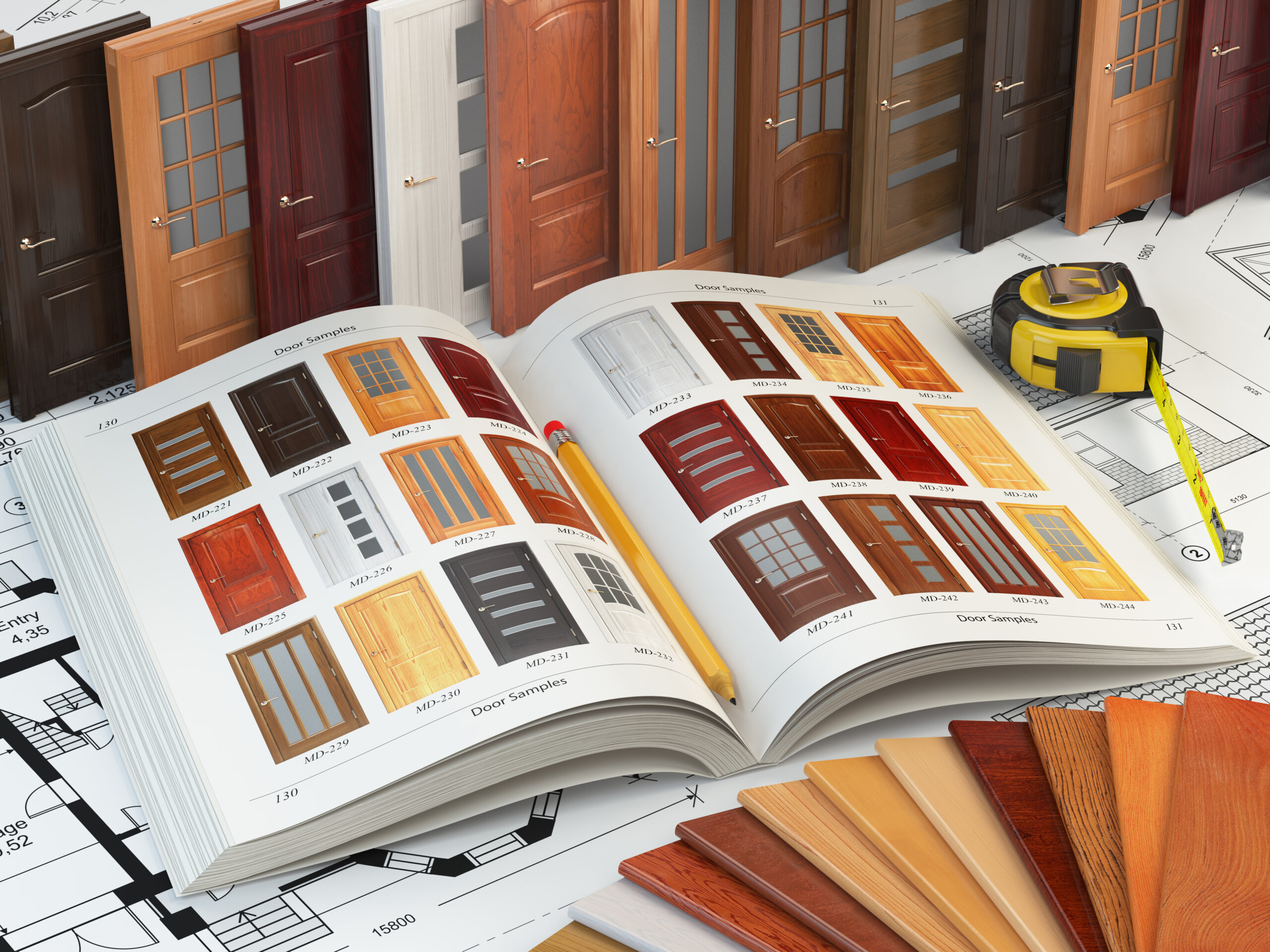







Doors do more than close off a room. They affect access, privacy, security, airflow, appearance and how a space functions once the build is complete. For construction projects, choosing the right door type early can help reduce delays, improve consistency and avoid mismatches during installation.
The best choice will depend on where the door is being used, how often it will be opened, what level of durability is needed and how it fits with the rest of the project. While doors may seem like a straightforward product selection, they can influence both the practical and visual outcome of a build.
The first question is where the door will be installed. An internal bedroom door will not have the same requirements as an external back door, a wet-area entry, or a high-use access point.
Internal options usually focus on privacy, appearance, weight and everyday use. External products may need to consider exposure, security, weather conditions and long-term durability.
Matching the door to the location helps avoid using a product that looks suitable but does not perform well in that specific setting.
Every room has a different purpose. A door for a storeroom, laundry, bathroom, office or entry area may need different features.
For example, a high-use area may benefit from a stronger core or more durable finish. A room that needs privacy may require a different style from a utility space. A rear access point may need a design that supports both function and security.
This is where door selection for building projects becomes more than choosing a size. It involves understanding how people will move through the space each day.
Different door types suit different applications. Some are designed for internal use, while others are better suited for external access or higher-wear environments.
A lightweight internal door may be suitable for standard residential rooms. A solid core option may provide a heavier, more robust feel. A glazed door may be selected where light transfer or visibility is useful.
These choices should be guided by the needs of the space rather than appearance alone.
The door core can affect strength, sound reduction, durability and how the product feels in use. This can matter in both residential and commercial-style projects.
A lighter door may be enough for some indoor spaces. In areas that are used more often, a heavier option may feel sturdier and better suited to the job. What works best will depend on where the door is going and how it will be used.
For internal and external doors, core type should be considered alongside hardware, frame compatibility and finish.
Accurate measurements are one of the most important parts of door planning. Even small errors can create delays on-site.
Door height, width, thickness, swing direction and frame requirements should all be checked before ordering. It is also useful to consider whether the door will need trimming, finishing or specific hardware preparation.
On larger projects, a clear schedule can help ensure the right product is allocated to the right opening.
Door hardware should not be left as a last-minute decision. Hinges, handles, locks, closers and other fittings can affect how the door is installed and used.
The finish should also suit the project. Some doors may need painting, sealing or additional preparation before installation. Others may be selected for a specific look or application.
Planning these details early helps avoid mismatched components and unnecessary site adjustments.
Some doors are opened and closed many times a day. In busy homes, shared facilities, commercial areas or access points, durability becomes more important.
A door in a low-use room may not need the same level of strength as one placed in a hallway, workspace or rear entry. Choosing a product that suits expected wear can help reduce issues over time.
For durable doors for construction, it is helpful to consider daily use, traffic levels and the likelihood of impact or repeated handling.
In multi-room builds, consistency matters. Different rooms may need different products, but the overall style should still feel considered.
A door schedule can help track sizes, finishes, hardware, locations and quantities. This is especially useful when several trades are involved or when products need to be delivered in stages.
Good planning can make installation smoother and reduce confusion once work is underway.
Doors usually need to arrive at just the right point in the build. Too late, and other trades may be held up. Too early, and there is a greater chance of damage or problems finding somewhere safe to store them.
Planning supply around the build schedule can help keep the project moving. This is especially important when multiple sizes, styles or finishes are involved.
Reliable supply and clear ordering details can make a practical difference on busy sites.
The right door should suit the room, the level of use, the frame, the hardware and the overall design of the project. When these details are considered together, the finished result is more likely to feel practical and consistent.
For those comparing doors for upcoming projects, it helps to think beyond product appearance and focus on how each option will perform once installed.
QA Building Supplies supports builders, contractors and trades with building materials for residential and commercial projects. Choosing the right door type early can help reduce avoidable issues and support a smoother construction process.
June 15, 2026
$16.04 – $27.27Price range: $16.04 through $27.27 inc. GST
$104.94 inc. GST
$10.48 – $87.63Price range: $10.48 through $87.63 inc. GST
$3.10 – $5.21Price range: $3.10 through $5.21 inc. GST