Not Sure What Fire Rated Plasterboard Is? Here’s What You Need to Know
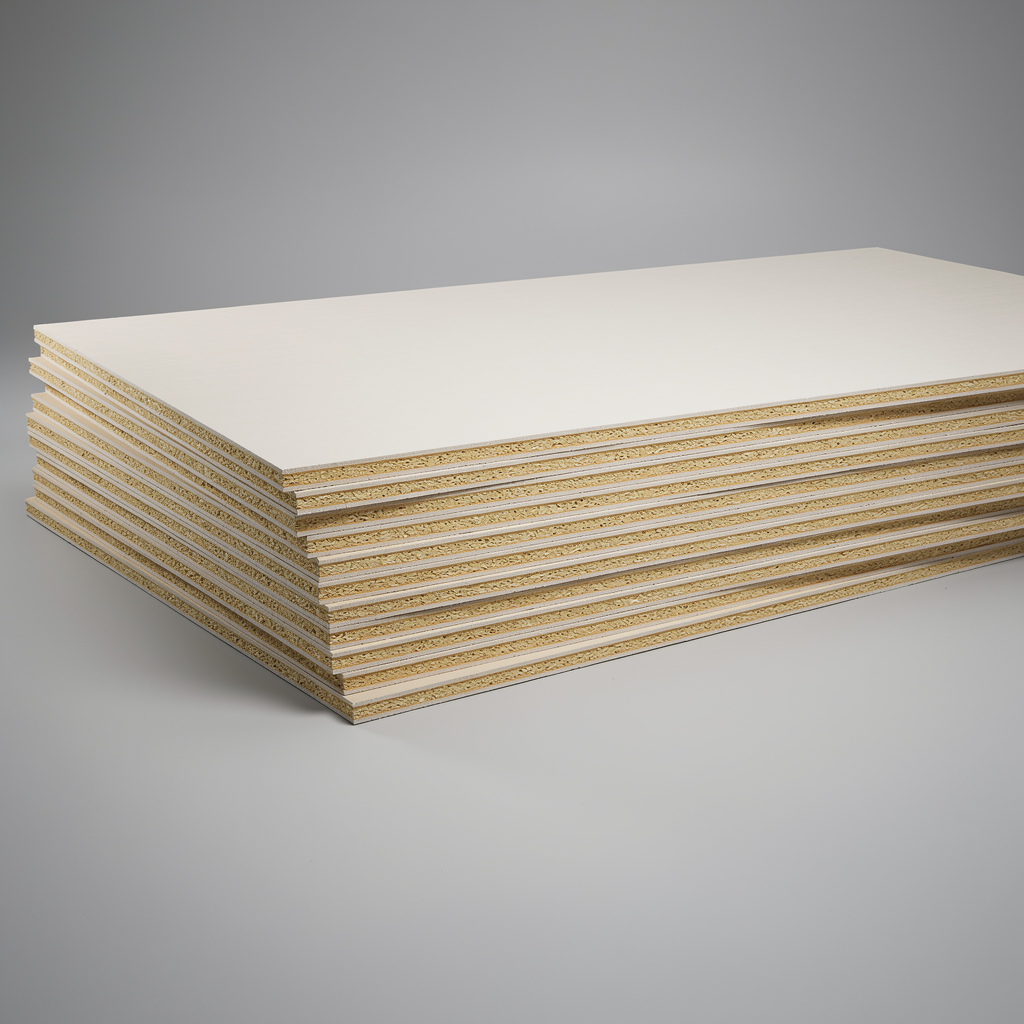
When working on a building or renovation project, it is common to encounter materials that may not be fully understood at first. If you have come across fire rated plasterboard and are not quite sure what it does, you are not alone. It is widely used in construction, yet its role can be unclear. It is designed to help slow the spread of fire and give occupants more time to respond. While it may look similar to standard options, it contains materials that enhance heat resistance and help it retain its structure at high temperatures. To better understand its role, it helps to see how it works in practice.
How Fire Rated Plasterboard Works
Fire rated plasterboard is designed to help slow the spread of fire and reduce how quickly heat moves through a structure. It works through a combination of materials and built-in properties that support safer performance at high temperatures. Below are the key ways it functions during a fire.
Designed to Slow Fire Spread
It is built to resist fire for a set period of time. It does not completely stop fire, but it helps slow it down. This delay can help limit damage and support safer evacuation in both residential and commercial settings.
Heat-Resistant Core
It contains a dense core with added materials that improve heat resistance. These materials help the board maintain its structure for longer when exposed to high temperatures, reducing the risk of early failure during a fire.
Moisture Release Under Heat
When exposed to fire, it releases moisture stored within the board. This process helps absorb heat and slow the rate of temperature rise, thereby delaying the spread of fire through walls or ceilings.
Protects Structural Elements
Slowing heat transfer helps protect the structure behind it. This includes framing, insulation, and nearby spaces, giving the building more time before critical components are affected.
Where It Is Commonly Used
Fire-rated plasterboard is used in areas requiring additional fire protection. It is common in both residential and commercial buildings. These spaces often involve higher risk or shared structures, so using materials that help slow fire spread supports safer and more compliant construction outcomes.
- Garage walls connected to the home
- kitchens and service areas
- multi-unit developments
- stairwells and corridors
- ceilings between floors
These applications are chosen to help contain fire within a specific area and reduce how quickly it spreads. They also support building requirements in certain zones. Using the right materials in these locations helps improve overall safety and performance across the structure.
Why It Matters in Building Projects
Using the right materials can make a big difference in how a building performs over time. Fire rated plasterboard helps improve safety by slowing the spread of fire and supports compliance with building standards. It plays a practical role in reducing risk, especially in areas where fire protection is required as part of the design.
It also helps create separation between spaces within a building. This separation can slow the spread of fire between areas, giving occupants more time to respond. For builders and property owners, it adds an extra layer of protection without affecting the finished space’s overall look.
Fire Rated vs Standard Plasterboard
While both types may look similar once installed, they are designed for different purposes. Standard plasterboard is suitable for general internal use where fire resistance is not required. Fire rated plasterboard is used in areas where added protection is needed, particularly in spaces with higher risk or compliance requirements.
The key difference is how each type responds to heat exposure. Fire rated plasterboard is designed to maintain its structure for longer under high temperatures. This helps slow the spread of fire and provides more time before structural elements are affected, improving overall safety within the building.
Choosing the Right Option for Your Project
The right choice depends on where it will be used and the level of protection required. Some areas may need higher fire resistance than others, so it is important to consider building requirements and how the space will function. Working with the right supplier can help you select materials that suit your project and meet on-site practical needs.
Ready to Source Fire Rated Plasterboard for Your Project
If you are planning a build or renovation, having the right materials in place from the start can make the process smoother. Choosing suitable plasterboard for fire protection helps ensure safer, more reliable outcomes.
At QA Building Supplies, we work with builders, contractors, and property owners to supply fire rated plasterboard for a wide range of applications. We focus on practical solutions that suit real site conditions. Whether you are working on a new project or upgrading an existing space, our team can help you find the right materials for the job.